
Surgical Therapies for Parkinson’s Disease: What You Need to Know
Join us for an informative evening exploring the latest surgical therapies for Parkinson’s disease. This free community education dinner will offer an opportunity to learn how advances in neurosurgery may help manage Parkinson’s symptoms and improve quality of life for eligible patients.
Dr. Dennis London, Neurosurgeon at NYU, will discuss surgical treatment options for Parkinson’s disease, including who may be a candidate, how these therapies work, and what patients and families should consider when exploring treatment. His presentation will provide a helpful overview of current approaches and an opportunity to ask questions.
Enjoy dinner and an engaging conversation at Wood & Fire, located at 59 Marble Ave. in Pleasantville, NY. Whether you or someone you love is living with Parkinson’s disease or you simply want to learn more about available treatment options, this educational event is designed to provide valuable information and practical insight.
Reserved space is limited. Please RSVP by 10/19 to Glenn Frisbie, Director of Community Outreach, at Cfrisbie@kensingtonsl.com.
- Sub-Headline Free Community Education Dinner with Dr. Dennis London, Neurosurgeon at NYU
Speaker
-
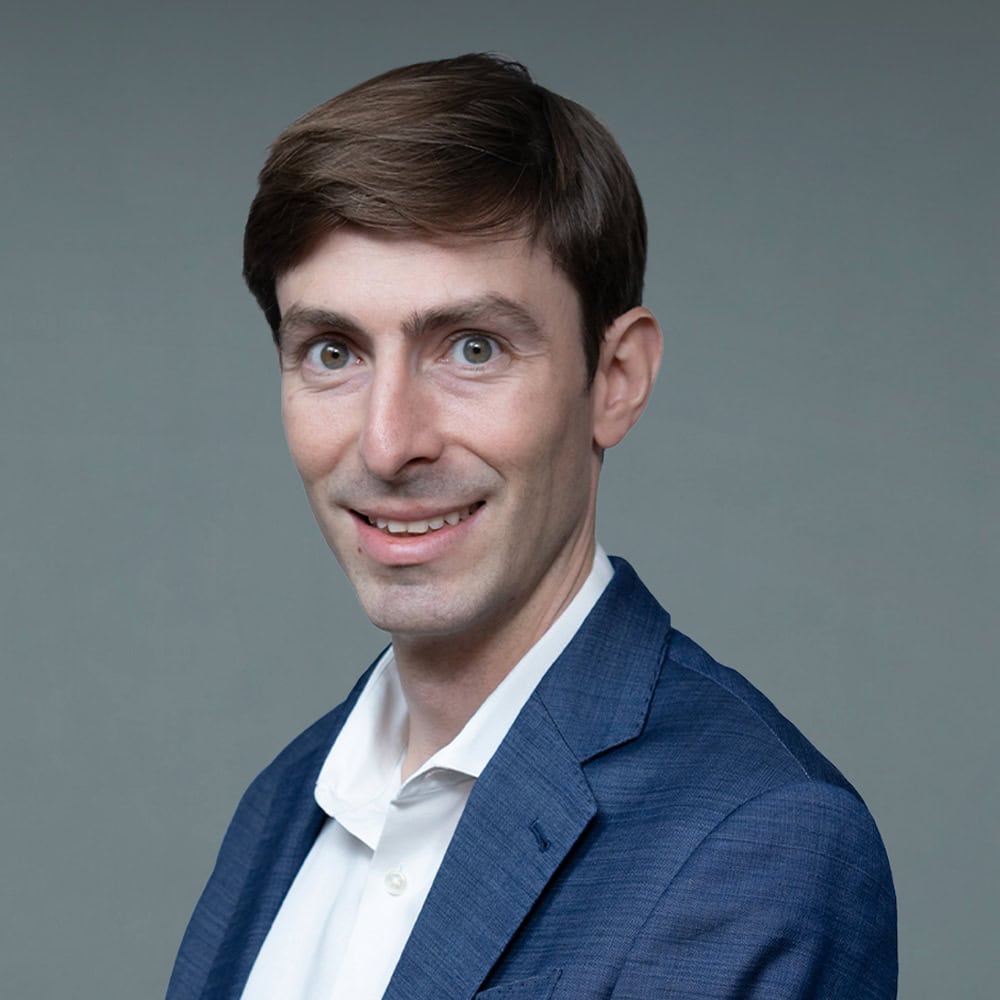 Dennis London, NeurosurgeonLearn More
Dr. Dennis London is a neurosurgeon at NYU Langone’s Center for Neuromodulation, where he specializes in the surgical treatment of movement disorders, including Parkinson’s disease, essential tremor and dystonia. He is experienced in advanced technologies such as deep brain stimulation (DBS), high-intensity focused ultrasound (HIFU), laser ablation, and MRI-guided and robotic-assisted procedures. His NIH-funded research focuses on developing personalized technologies to treat neurological disorders and better understand the effects of Parkinson’s disease on both movement and cognition.